
Is Lima Worth More Than a Stopover? How Long to Stay

Updated: Oct 27
BEYOND GUIDE · PERU
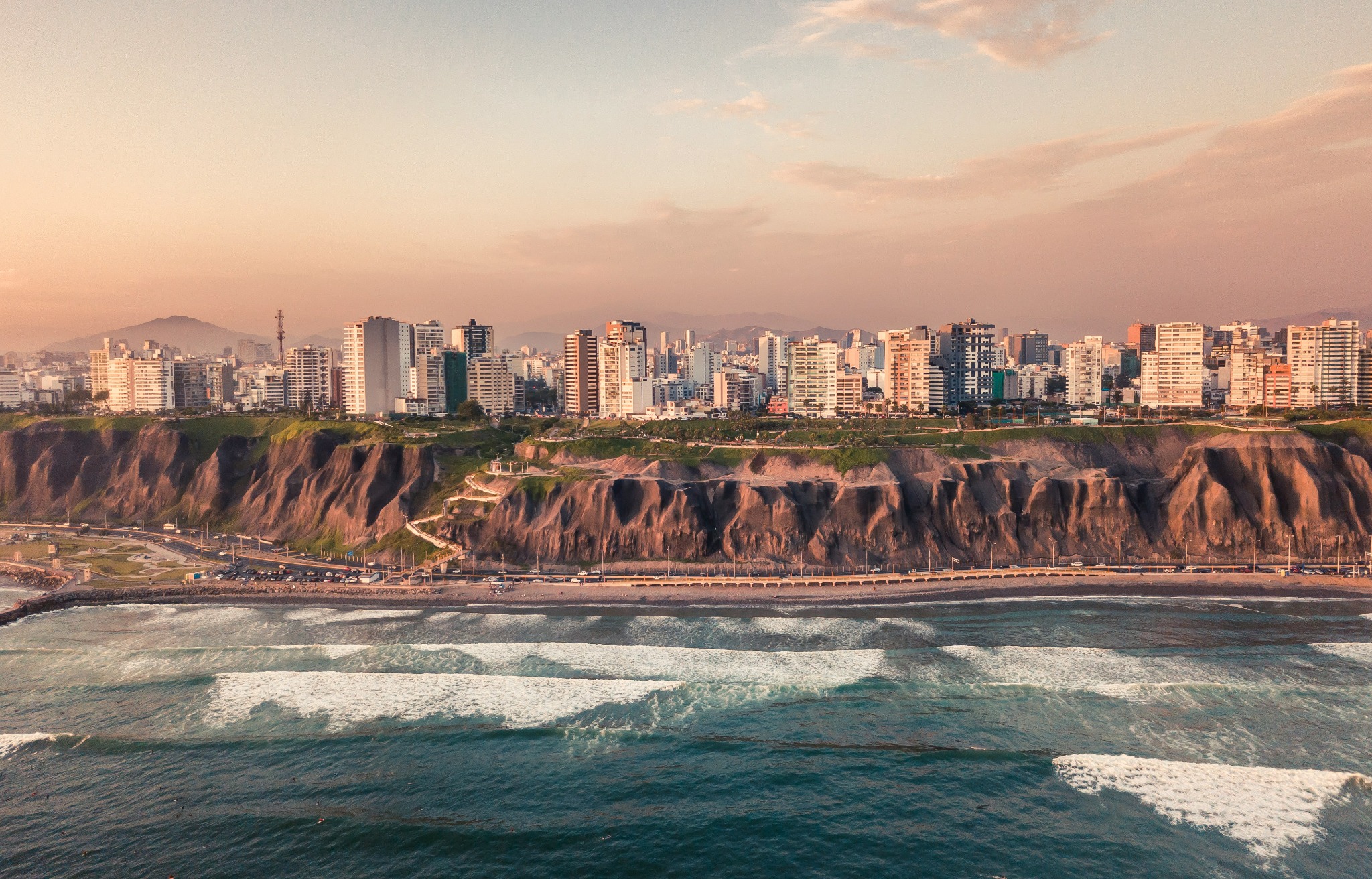
Miraflores and the Pacific coast, Lima.
Most first-time Peru itineraries start with Lima, but many barely stop there. Arrive, sleep, fly to Cusco or Iquitos. Efficient, yes, but it can also mean treating a huge, complicated capital as little more than an airport. I am never going to argue that everybody needs a week in every city, but Lima deserves a more considered decision than that.
The question I would actually ask is how much of your limited holiday Lima deserves, what that time lets you do, and what you would have to shorten elsewhere to make room for it. I am a massive foodie, so Lima has an obvious pull for me, but food is only one reason to stay. Here is how I would weigh it up.
BEYOND THE BROCHURE
Count usable days, not hotel nights. A late arrival and early onward flight can turn two hotel nights into almost no sightseeing time. A well-timed three-night stay may give you two meaningful days. Flight schedules and hotel location change what is realistic as much as the number on an itinerary.
How many nights? Start with the wider Peru trip
A night in Lima is valuable only if it gives you something you want more than the alternative. I would start with your total holiday, fixed bookings, arrival times and main reason for visiting Peru before deciding how much time belongs in the capital.
A short Peru trip focused on Machu Picchu
With around ten days in Peru, one or two nights in Lima might be enough. I'd protect time for the Sacred Valley, Cusco and a sensible adjustment to altitude rather than automatically add several city days. The flight sequence and planned activities matter more than a fixed number.
A food- and culture-led Peru journey
With two or three weeks and a real appetite for markets, museums, neighbourhoods and restaurants, three or four nights in Lima can be a very good use of time. This is much closer to how I like to travel: enough space for the historic centre and coastal districts, plus a proper food experience without turning the itinerary into one enormous meal.
A fixed-date Amazon expedition
Start with the lodge or vessel's boarding date, domestic flights and ground or boat transfers. A night in Iquitos before a remote lodge transfer may be more useful than an extra Lima hotel night. A shorter city stay can be the right choice even for someone who would enjoy Lima.
An archaeology enthusiast or a return visitor
Three nights can allow separate time for pre-Inca history and the historic centre. Return visitors or slower travellers may choose four or more to explore additional districts and art, but they should be able to say what they gain from that extra time.
As a rough guide, one night is often a connection, two can yield one proper city day, three can offer two focused days, and four or more should follow a particular interest. Count usable days, not nights printed on a booking confirmation.
What most short visits miss about Lima
A history that started long before the Incas
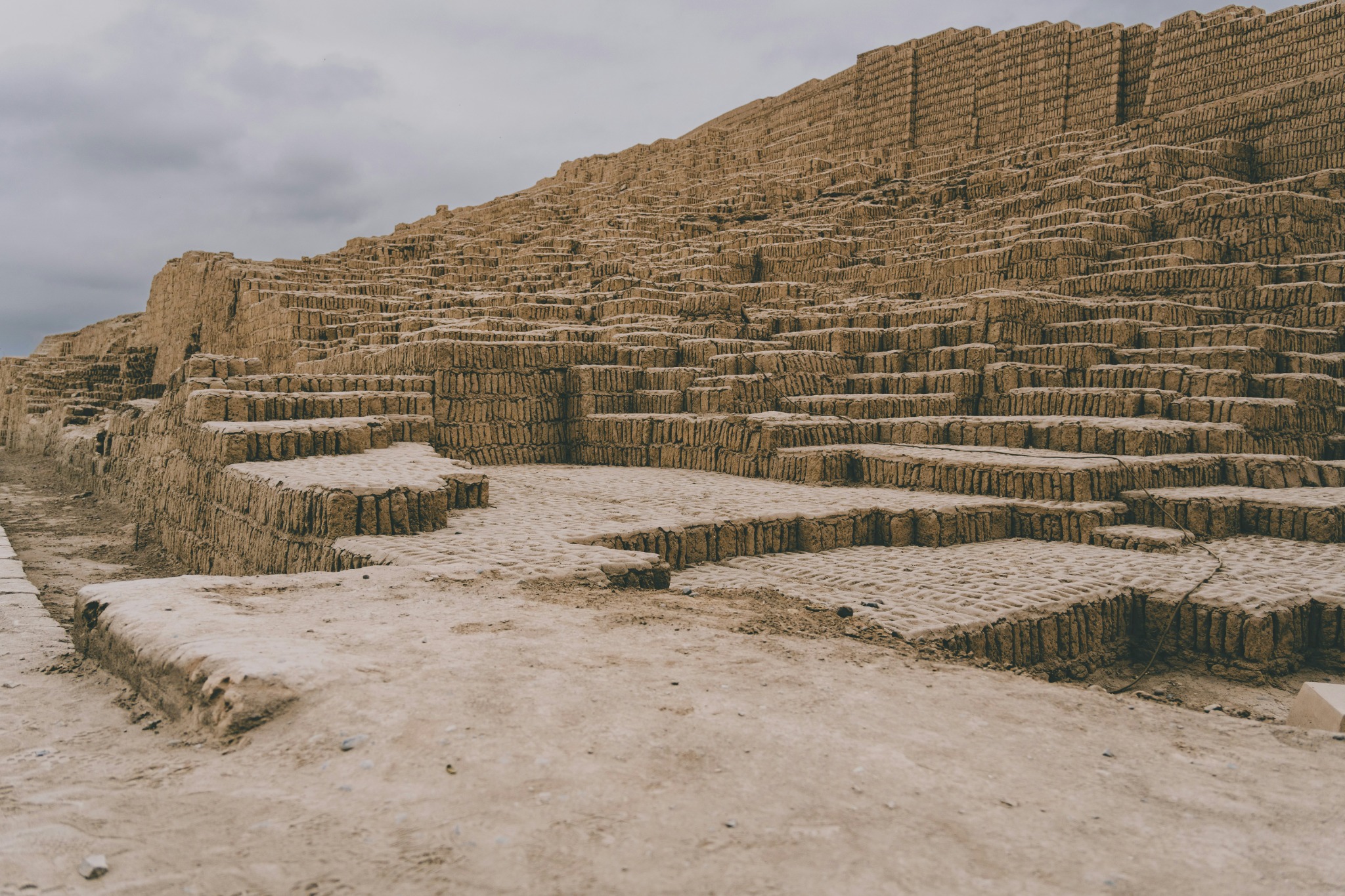
Huaca Pucllana, a reminder of Lima's pre-Inca history.
Huaca Pucllana is one of those places that makes me look twice at a city. An adobe archaeological site surrounded by modern Miraflores is a fairly effective reminder that this coastline had complex societies long before the Inca Empire and Spanish conquest. Museo Larco in Pueblo Libre offers a different route into that history through its collection of pre-Columbian objects. You do not need to force both into one day; choose according to what genuinely interests you.
A historic centre with a complicated story
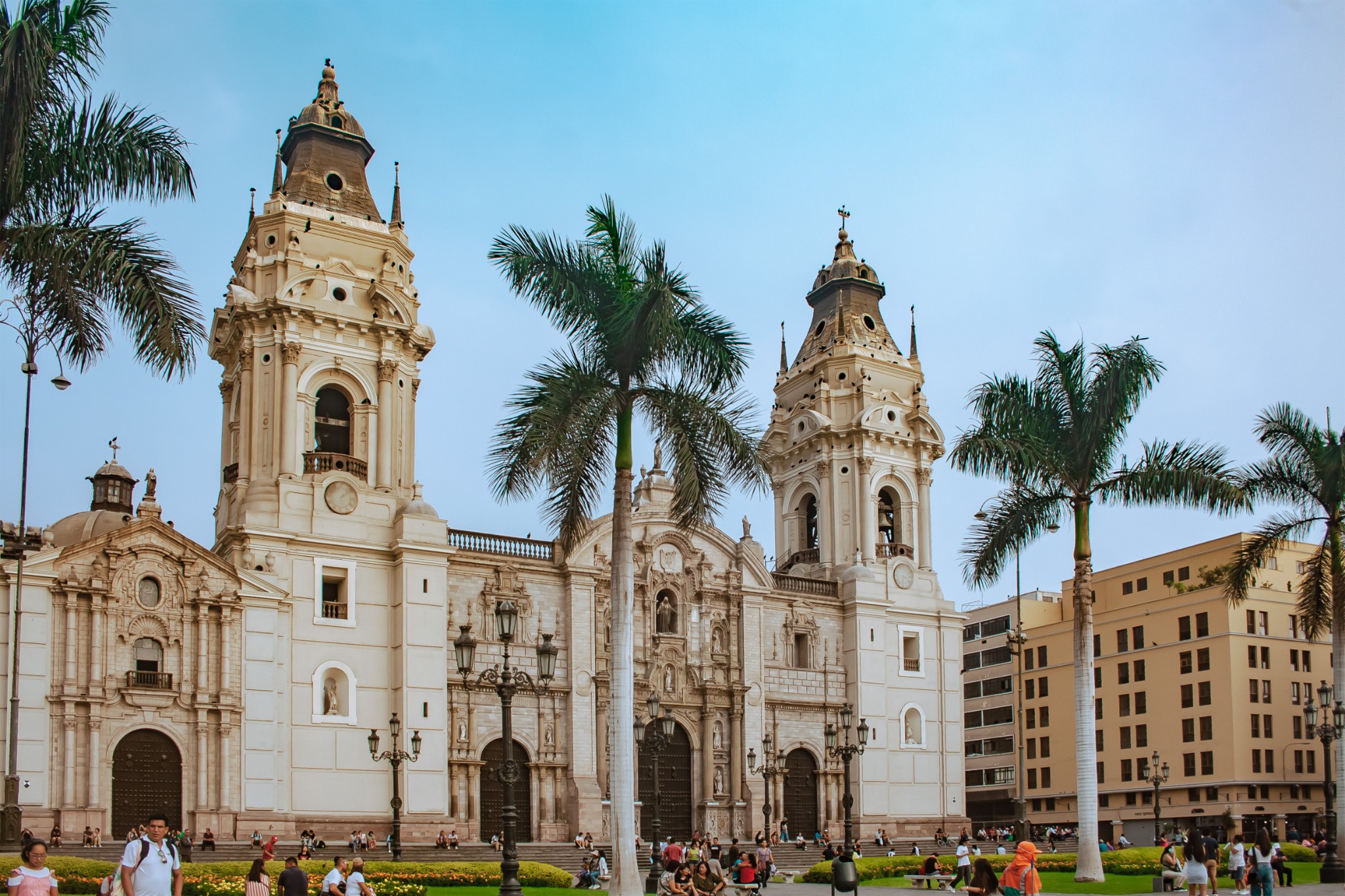
Lima Cathedral at Plaza Mayor.
Lima’s UNESCO-listed historic centre deserves more than a photograph of Plaza Mayor. Its architecture reflects the city’s role at the centre of colonial Spanish power in South America. A good guide should also acknowledge the Indigenous histories and unequal power relationships behind those buildings, rather than presenting balconies and churches as a purely decorative backdrop.
Casa de Aliaga, a historic family residence associated with Lima’s colonial foundation, is one option for exploring that period through a different kind of space. Check the official guided-visit arrangements before making it part of an itinerary. It can complement a wider historic-centre visit; it does not need a separate day.
Neighbourhoods that aren't interchangeable
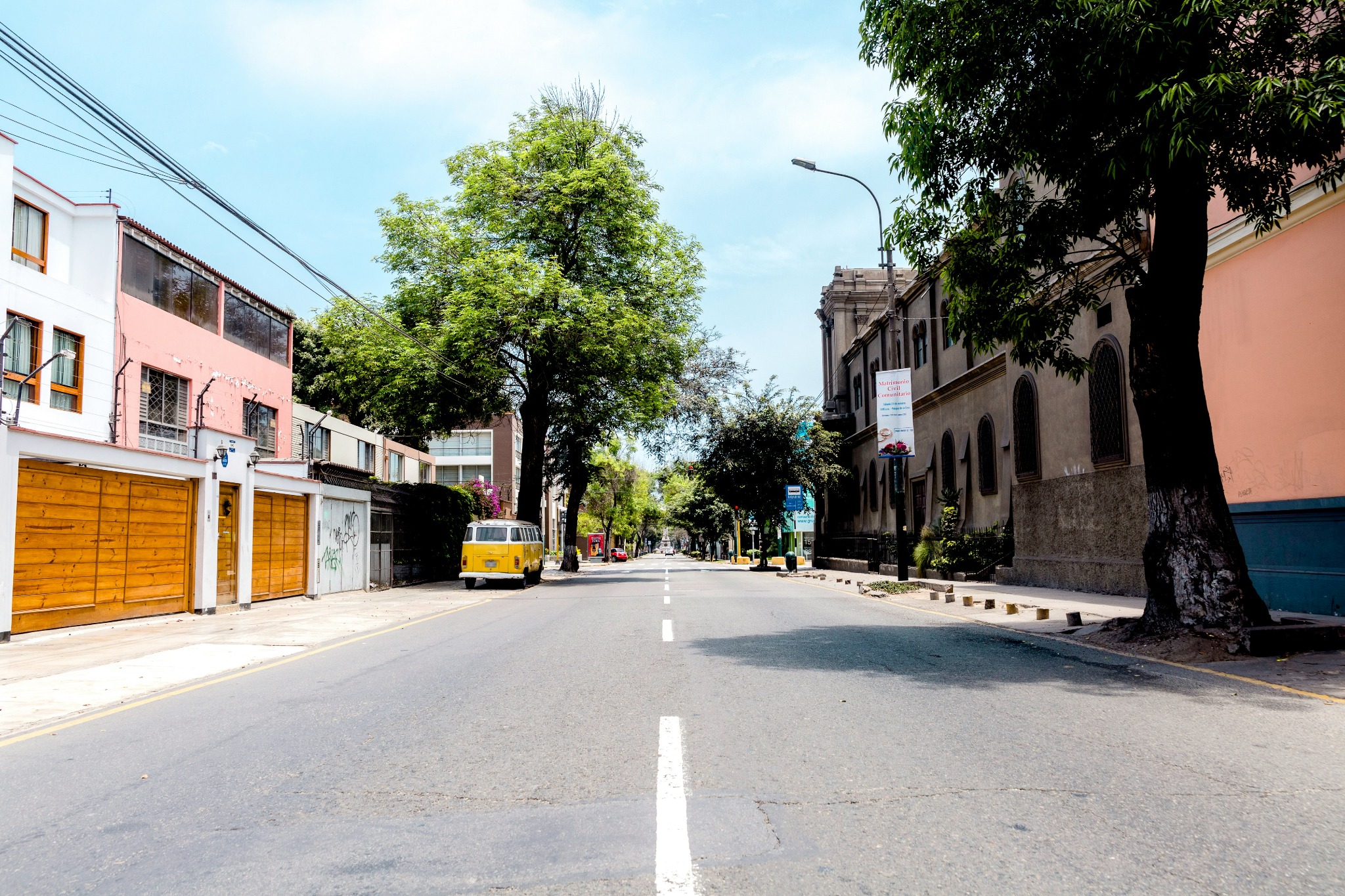
A street in Barranco, Lima.
Miraflores offers coastal walks and a convenient base for many first arrivals. Barranco brings art, architecture, restaurants and more opportunity to spend time in the neighbourhood rather than simply pass through it. I would be drawn to that combination, particularly with good food within easy reach, but neither district is a complete picture of Lima. The useful question is how you actually want to spend your days.
If you stay longer, which experience justifies the extra day?
I would choose one distinctive thread rather than collect four far-flung 'hidden gems'. Each of the following changes the character of a Lima visit, but adds different demands on time and transport.
For contemporary art: Callao Monumental
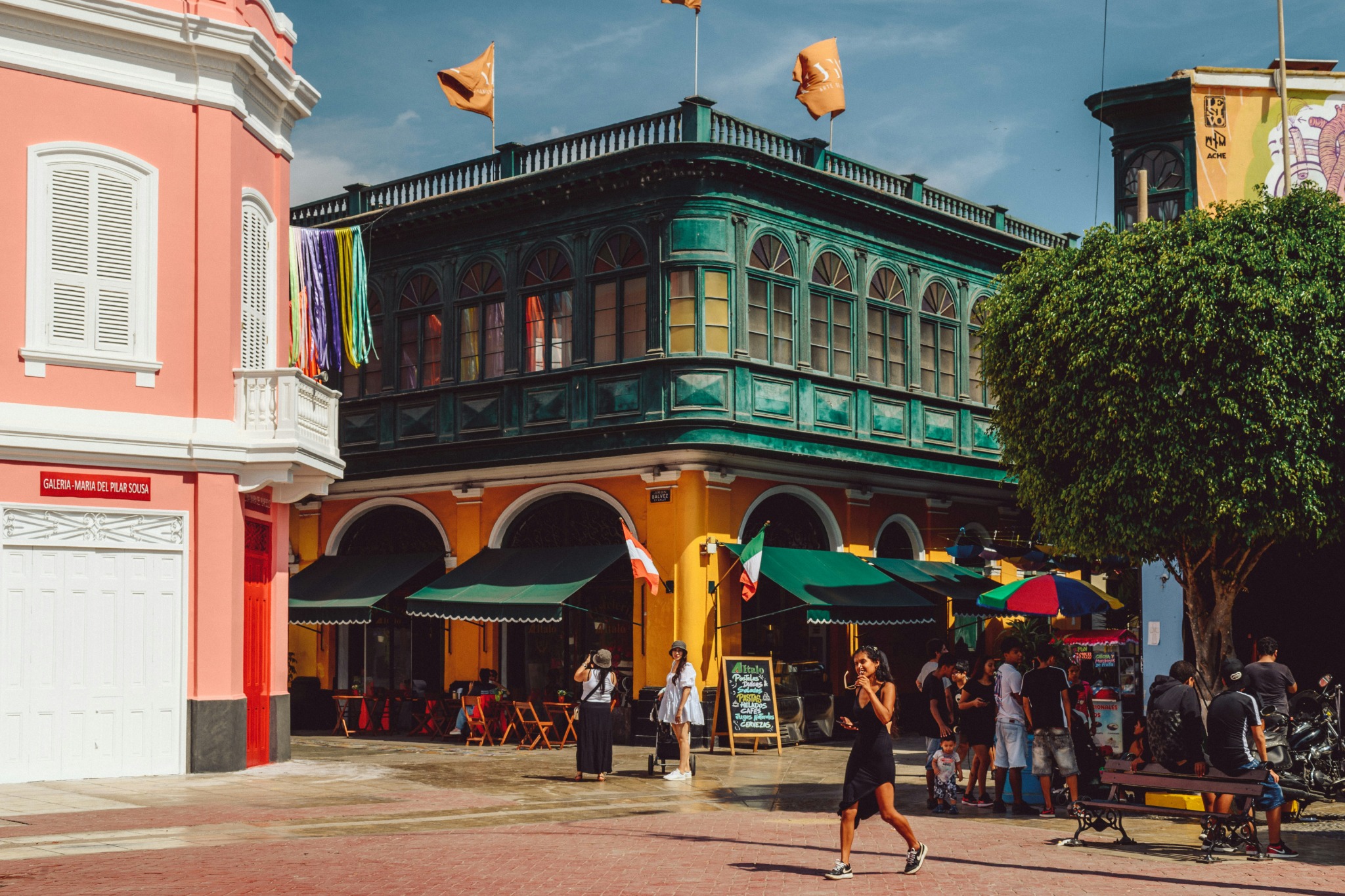
Architecture and everyday life in Callao Monumental.
This cluster of galleries and artist-led spaces offers a different cultural perspective from Barranco. Plan the visit around confirmed gallery openings and appropriate local guidance, with reliable transport in and out. It is not a reason to assume the whole surrounding port district is equally suitable for unplanned wandering.
For the Pacific beyond the cliffs: La Punta
La Punta offers older seaside architecture and a different stretch of coast from Miraflores. It fits best into a properly planned Callao-area visit, not a hurried detour across the city solely to tick off another waterfront.
For the working food economy: Chorrillos
Chorrillos’ fishing harbour shows another side of Lima’s relationship with seafood. A locally guided visit can connect the fishing industry and its people with the ceviche served elsewhere in the city. It remains a working environment, and boat activities, where offered, depend on conditions and operator arrangements.
WORTH KNOWING · WHAT I'D LEAVE OUT
With only one full day, I would not spend half of it crossing the city just to photograph La Punta, nor try to cram Callao, a major archaeological site and Barranco into one heroic itinerary. I would also skip a generic 'highlights of Lima' tour if the main thing it highlights is the traffic. Give me a focused day with time to understand somewhere over a frantic list of landmarks every time.
Where to stay and what the map won't tell you
For a first visit with coastal walks and plenty of hotel and restaurant options, Miraflores is often practical. Barranco can suit someone who wants local streets, cafés and evening dining close to their accommodation. San Isidro is worth considering for certain hotels and a quieter base. The right choice depends on your daily plans, not a claim that any district is universally best.
A cheaper hotel is not necessarily better value if you spend much of your visit crossing Lima. Likewise, a hotel that looks conveniently placed for the airport may leave you with inconvenient journeys into the districts you actually want to explore.
Traffic and airport transfers are part of the itinerary, even if they rarely feature in brochure descriptions. Compare realistic journeys at the relevant time of day. A driver or guide can make a concentrated history or art day work better, especially across districts; for a relaxed neighbourhood day, you may prefer to explore more independently. The value lies in making the day work, not in automatically adding private services.
What a realistic three-night stay could look like
Arrival day: settle in
Reach your hotel, rest and choose an easy dinner or short walk if you have the energy. Do not count on a substantial sightseeing programme after an uncertain international arrival.
First full day: coast and neighbourhoods
Spend time along the Miraflores malecón and in Barranco, leaving room for galleries, cafés and a properly leisurely lunch. I would resist the urge to turn this into a checklist day. Part of the reason for giving Lima more time is surely to enjoy being in the neighbourhoods rather than spend the whole day travelling between ticketed sites.
Second full day: choose your deeper interest
For history, focus on a guided historic-centre visit, perhaps including Casa de Aliaga if the timings work. For earlier civilisations, choose Huaca Pucllana or Museo Larco, according to your interests. Food lovers may prefer a market experience and a traditional cevichería lunch. Do not try to fit every option into the same day.
Three planning mistakes I'd avoid
1. Treating the arrival day as a full sightseeing day
A long-haul arrival, immigration, luggage and the journey to the hotel can make an apparently free afternoon disappear. I would build a proper city visit around realistic arrival and departure times, not the number of nights listed on a booking.
2. Booking the hotel before deciding what you want to explore
For a coastal and restaurant-led stay, a well-placed hotel in Miraflores or Barranco may work brilliantly. For a one-night flight connection, transfer times may matter more. Look at actual journeys for the places you plan to visit, because an inexpensive hotel can become poor value if you repeatedly cross the city.
3. Adding distant districts without allowing for Lima's traffic
Callao, La Punta, Pueblo Libre and Chorrillos are not extensions of one compact walking route. I'd choose a coherent day or a local guide with a realistic itinerary, not fill the schedule with landmarks that look close together on a small map.
The altitude question: Lima is not Cusco
This is a bigger itinerary decision than the number of days in Lima. Lima sits close to sea level, while Cusco is around 3,350 metres high. Flying from one to the other is a rapid change in altitude. Days spent enjoying Lima may help you recover from a long flight, but they do not acclimatise you to Cusco's thinner air.
Altitude sickness can affect fit and experienced travellers. The speed of ascent and, importantly, the altitude where you sleep influence risk. The first days at elevation should allow for adjustment rather than immediately filling the programme with strenuous walks, high passes or a demanding trek.
One option to discuss when routing through Cusco airport is continuing to a lower-altitude Sacred Valley base for the first nights, instead of sleeping immediately in Cusco itself. That can provide a more gradual progression for some itineraries, although parts of the valley are still high enough for altitude sickness and no route eliminates the risk. The details depend on your travel plans and individual circumstances.
WORTH KNOWING · ALTITUDE NEEDS TO SHAPE YOUR ITINERARY
If you're going above about 2,500 metres, review the itinerary and seek advice from a travel-health professional, particularly if you have relevant medical conditions, a history of altitude sickness or a rapid ascent planned. Gradual adjustment is important; discuss prevention and what to do if symptoms occur. Do not ascend further if altitude sickness develops, and seek urgent help for severe symptoms. Being athletic is not a safeguard.
Further guidance: NHS altitude sickness and CDC Yellow Book on high-altitude travel
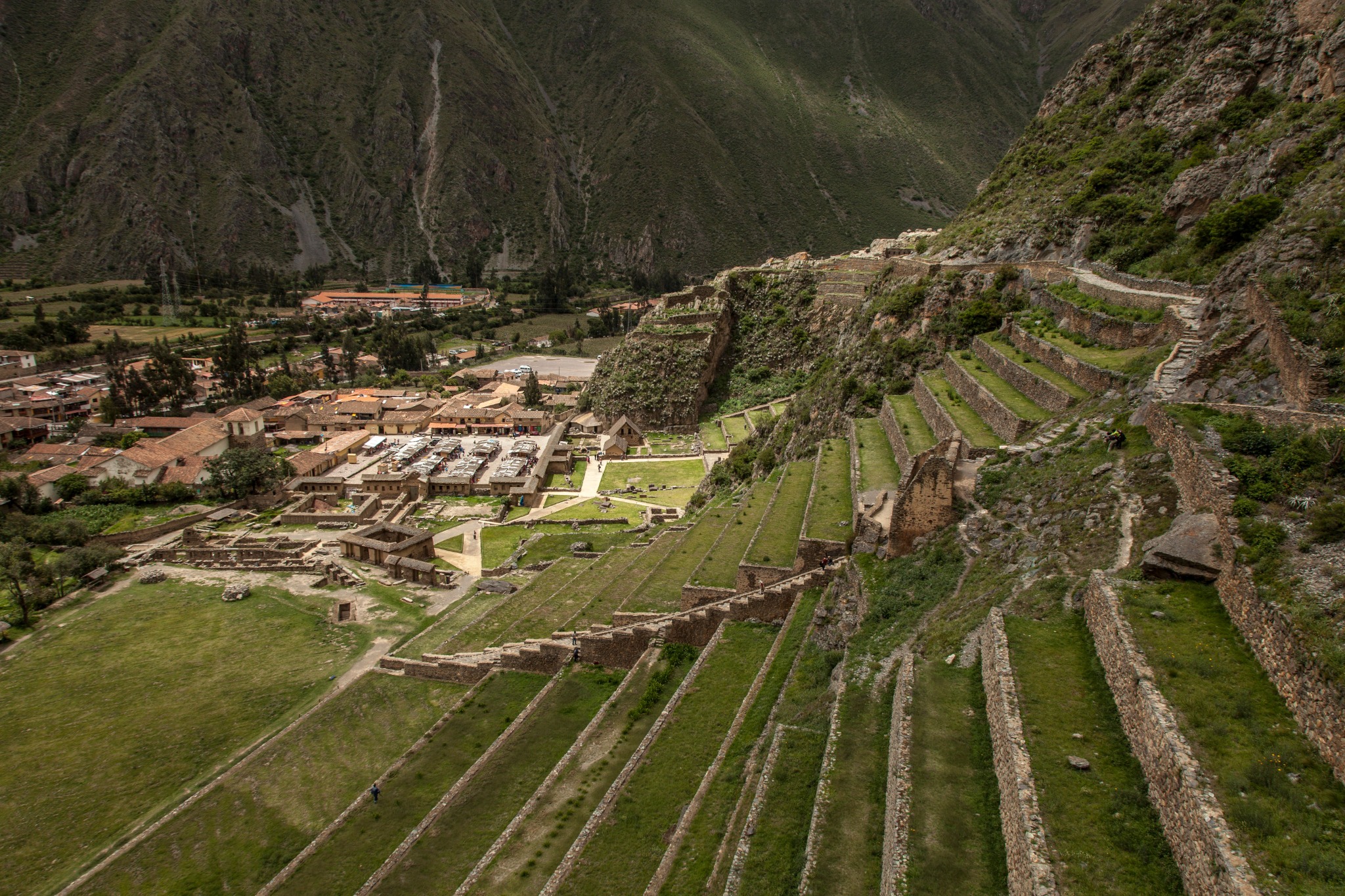
Ollantaytambo in the Sacred Valley, where the altitude and order of a Peru itinerary deserve careful consideration.
What would you do with one extra night in Peru?
Imagine a 14-night Peru trip with two nights set aside for Lima. You have one additional night to allocate. Where would it make the biggest difference?
OPTION A · Three nights in Lima: a full day for the historic centre, a museum or a guided food experience.
OPTION B · Two nights in Lima: keep that night for a gentler start in the Sacred Valley, or more time on an Amazon programme with fixed dates.
If food and Peru's social history are central to your interests, I would lean towards Lima. I certainly do for my own trip. If your priorities are wildlife or the high Andes, though, I would look hard at whether that extra night works better elsewhere. Good itinerary planning sometimes means admitting that a place you would enjoy is not where your limited time is most valuable.
Why I'm making time for Lima
On my 2027 Peru itinerary, I'm allowing several nights in Lima before travelling to Iquitos and the Amazon. Food is an important part of that decision, but I also want enough time to explore the city beyond restaurants. If food is one of your reasons for allowing extra time, my Lima for Food Lovers guide looks at the city from markets and cevicherías to tasting menus.
So, is Lima worth more than a stopover?
For many travellers, yes. Two or three nights can turn an airport connection into a meaningful introduction to Peru. A fourth night makes sense when it has a clear purpose. But if every additional city night costs you time in a place that matters more to you, a shorter visit can be the better decision.
I'd rather help someone choose the right three days than persuade them to book six simply because Lima has plenty to see. More nights do not automatically make a better trip; the interesting bit is deciding what deserves your time.
If you're planning Peru and weighing up Lima against Cusco, the Sacred Valley or the Amazon, I can help you compare flight timings, accommodation, altitude considerations and the experiences worth prioritising. Get in touch to discuss your plans.
FURTHER READING
Useful sources for planning include Peru's official tourism information, UNESCO's Historic Centre of Lima listing, Museo Larco, Huaca Pucllana and the official information for Casa de Aliaga and Callao Monumental. Check opening arrangements and local conditions before travelling. For altitude planning, consult the NHS altitude sickness guidance and the CDC Yellow Book on high-altitude travel.

Comments