
What type of river cruiser are you?

Updated: Oct 27
BEYOND GUIDE · RIVER CRUISES
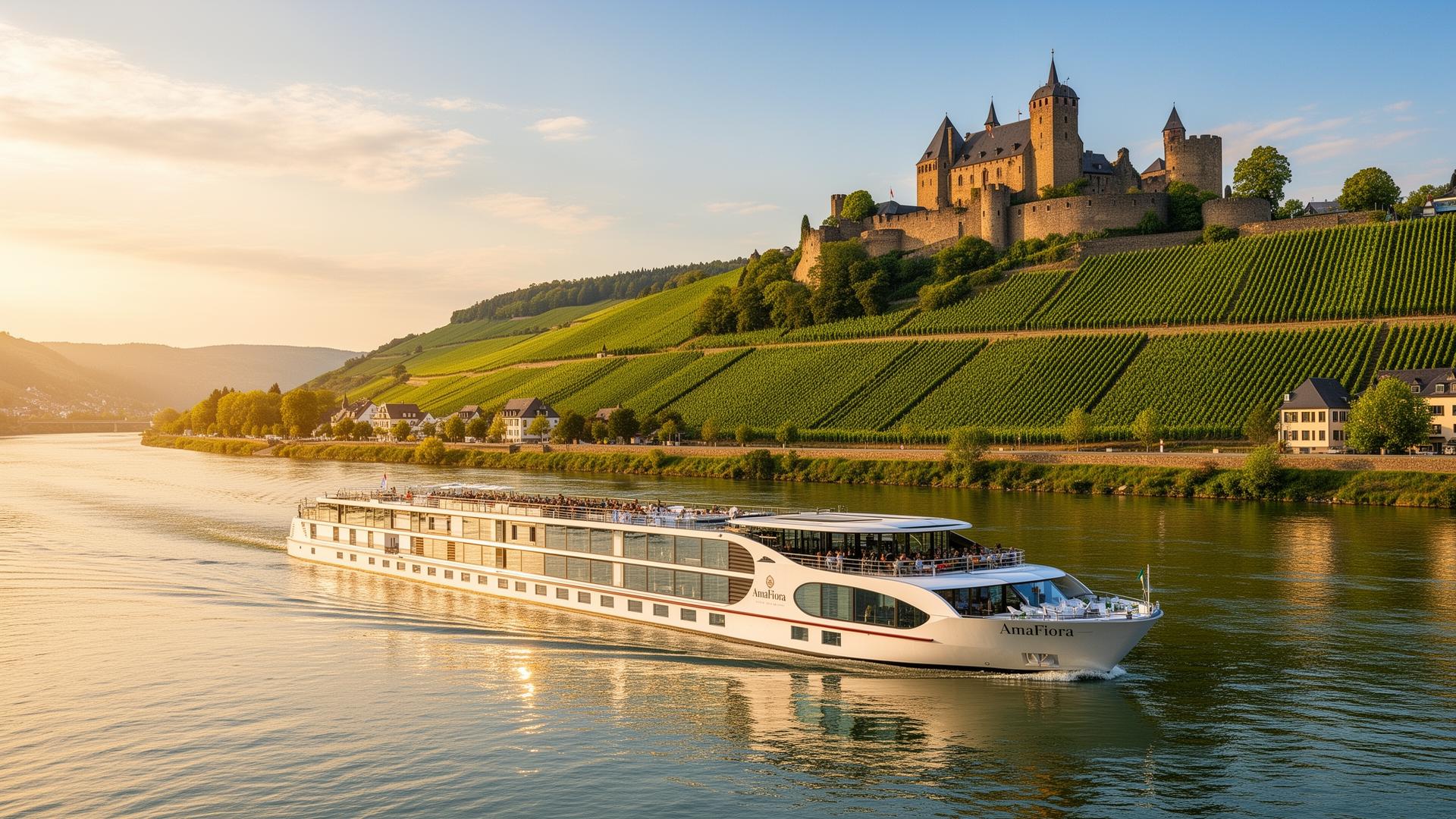
Riviera Rose on the Douro. Photo: Laura | Beyond with Laura Travel.
Forget starting with the Rhine or the Danube. Start with the way you actually like to travel.
River cruising is often sold by waterway, but the river is only one part of the decision. Two ships can follow a similar route and produce very different holidays because the excursion programme, pace, dining, inclusions, cabin design and amount of choice are different.
So rather than asking which river is 'best', start with what you want your days to contain. These nine traveller types are a useful shortcut, but the important part is what each one should compare before booking.
BEYOND THE BROCHURE
The meaningful comparison is not simply Rhine versus Danube, or one ship versus another. It is how the route, ship and operator work together. A beautiful itinerary can still be the wrong holiday if its pace, excursions or onboard style do not suit you.
01 · The foodie
For you, food is part of the destination, not just what happens between sightseeing.
The Rhône and Saône put Lyon and Burgundy into the conversation. Bordeaux combines wine country with a strong food identity. The Mekong offers a completely different culinary landscape, where markets and local food can be as important as formal dining.
What to compare
Look beyond the description of the onboard restaurant. Compare whether there are market visits, tastings, cooking experiences or meals ashore; how much free time you have to eat independently; whether regional food appears meaningfully onboard; and whether speciality dining is included or carries a supplement.
Some operators build genuine choice into the day. AmaWaterways, for example, currently offers food and wine experiences among its included shore options, while its European ships typically include The Chef's Table speciality dining. The point is not that one line is automatically 'best for food'. It is that the food experience needs to exist both on and off the ship.
02 · The wine lover
If the vineyards are part of the reason you are travelling, the Douro, Moselle, Rhine and Bordeaux all deserve attention, but they do not deliver the same wine holiday.
What to compare
Ask how often wine actually appears in the itinerary. Is there one generic tasting, or are there visits to producers, vineyard walks, specialist hosts or meals where the wine is part of the experience? Also check what is included onboard. A river passing through wine country does not automatically make the cruise wine-focused.
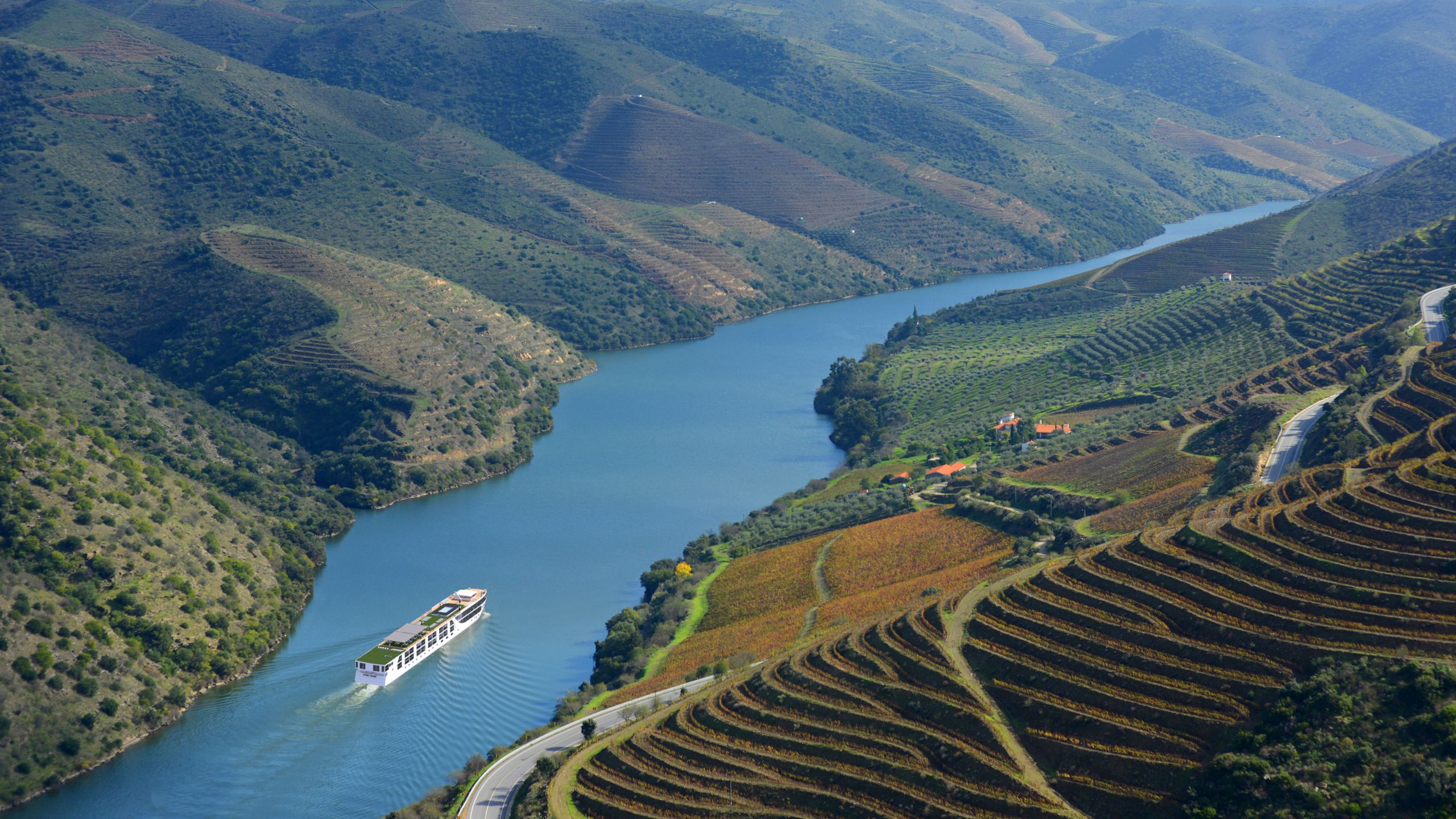
The Douro is particularly visual because the vineyards form part of the landscape you sail through. On my own short Douro sailing, that connection between the river, the terraces and the wine was much more apparent from the ship than it is on a map.
03 · The history and architecture traveller
Castles, palaces, cathedrals and the stories behind them are the reason you are going.
The Middle Rhine, Upper Danube and Nile can all work, but the deciding factor should not be the number of historic names in the brochure.
What to compare
Look at the depth of the guiding, group sizes, access, excursion duration and whether the programme gives you choices. A short panoramic coach tour and a specialist guided visit may both appear as 'included sightseeing', but they are not equivalent experiences.
04 · The scenery lover
Sometimes the river itself is the main event. This is the traveller most likely to be disappointed by an itinerary that looks spectacular on paper but sails its best stretches while they are asleep.
What to compare
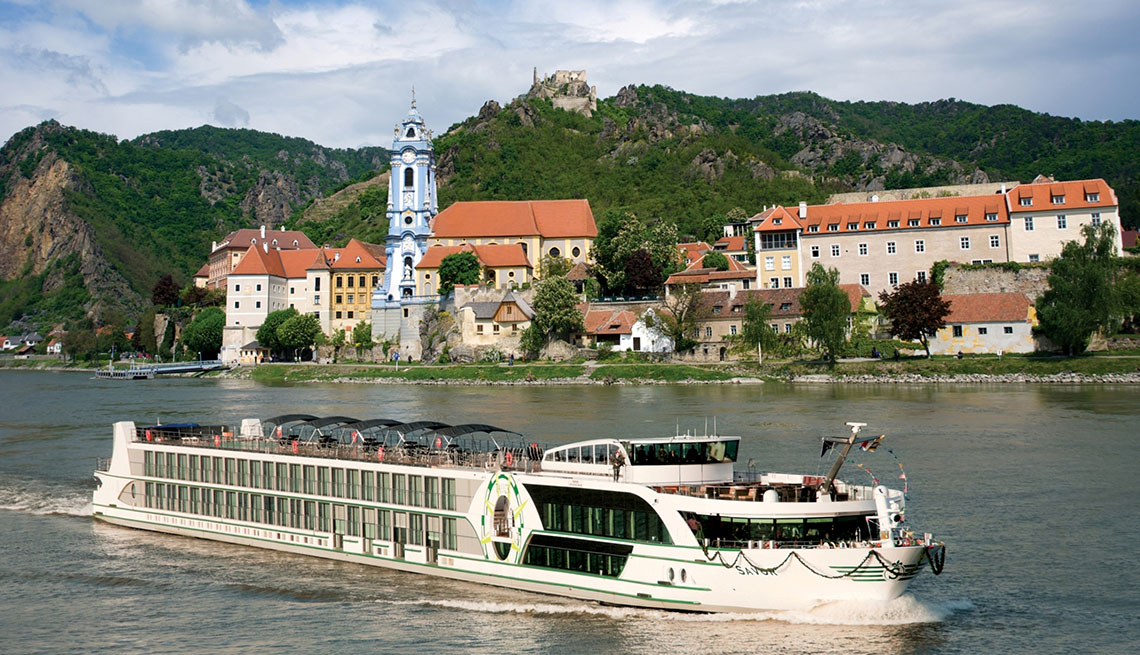
Check when the scenic sections are normally sailed, how much daytime cruising is built into the itinerary and where you can comfortably watch from. The Middle Rhine, Wachau Valley and Douro are obvious examples where the journey between stops can be as important as the stops themselves.
Cabin design can matter more for this traveller too. Avalon, for example, currently designs its Panorama Suites with beds facing the wall-to-wall opening windows. That is a product feature with a clear purpose if you know you will spend time watching the river from your cabin.
BEYOND THE ITINERARY
A seven-night river cruise does not mean seven full days ashore, and it does not mean seven days of scenic sailing. Look at arrival and departure times, overnight sailing, daylight river sections and excursion timings. The useful question is: where will I actually be, and what will I be doing, during the best parts of this route?
05 · The active traveller
River cruising does not have to mean coach tours and gentle walking groups. Some programmes now include cycling, hiking, kayaking and more active ways of exploring.
What to compare
Do not stop at the word 'active'. Check how often those options are offered, whether they are included, how strenuous they are and whether places are limited. AmaWaterways currently includes guided hiking and cycling options on relevant itineraries. Avalon goes further on its dedicated Active & Discovery cruises, where the excursion programme is built around a wider choice of active and hands-on experiences.
If being active is central to your holiday, choose the operator and itinerary around that requirement rather than assuming you can add it once onboard.
06 · The solo traveller
For a solo traveller, the headline fare can be one of the least useful numbers on the page. Cabin allocation, supplement policy, dedicated departures and the social structure onboard can matter more.
What to compare
Look for dedicated solo cabins or departures, the actual supplement on your chosen date, dining arrangements, excursion group sizes and whether the onboard atmosphere makes it easy to meet people without forcing organised socialising.
Most operators offer reduced or no single supplements from time to time, often on particular dates. That is why I would compare the exact sailing rather than treating any line as permanently 'no supplement'.
07 · The traveller who wants somewhere less obvious
If the Rhine and Danube feel too familiar, river cruising goes considerably further than Europe's best-known waterways.
Depending on the operator and year, possibilities can include smaller European waterways and canals as well as the Nile, Mekong, Ganges, Amazon, Chobe and Magdalena.
What to compare
This is where ship design and local infrastructure start to matter. The vessel that works on one river may be completely different on another. Compare the ship, transfers, climate, activity level and shore programme as part of the destination rather than assuming a familiar European river-cruise formula has simply been moved elsewhere.
08 · The multigenerational family
River cruising can work for families, but this is one area where operator choice matters enormously. Many river products are designed primarily for adults, while others actively build around families on selected sailings.
What to compare
Check minimum ages, connecting or family accommodation, children's programming, excursion pace, dining flexibility and whether the departure is actually family-focused. A river and itinerary that work beautifully for grandparents may still be a poor fit for teenagers if the ship and shore programme have not been designed with them in mind.
09 · The bucket-list river traveller
For some people the attraction is not river cruising itself. It is the access the river gives them to somewhere extraordinary.
That might mean the Nile, Mekong, Peruvian Amazon, Chobe, Ganges or Magdalena. In those cases I would reverse the usual question. Do not ask which river-cruise line you like and then see where it goes. Start with the destination and decide which vessel and operating style make sense there.
What to compare
Look at the land content, wildlife or cultural priorities, guiding, transfers, health and mobility requirements, season, cabin comfort and how much time is actually spent exploring rather than travelling to and from the river.
WORTH KNOWING
The operator can matter as much as the river. One line may emphasise included excursions and a highly structured programme. Another may offer more choice between active, cultural and classic sightseeing. Another may put more of the fare into dining, drinks or a more luxurious ship. None of those is automatically better. They suit different travellers.
The seven things I would compare before choosing any river cruise
• The itinerary in detail, including arrival, departure and daylight sailing times.
• The excursion programme: what is included, how much choice there is and the likely pace.
• The ship and cabin design, especially if scenery and private space matter to you.
• Dining and drinks: what is included and how much opportunity there is to eat ashore.
• The real solo price if you are travelling alone, not just the lead fare.
• What costs extra: gratuities, premium drinks, optional excursions, transfers or pre/post stays.
• The balance between organised time and free time.
Only after those things would I compare the headline price. Two cruises on the same river can differ by thousands of pounds because they are not necessarily selling the same experience.
So, what type of river cruiser are you?
You may be more than one. A wine lover can also want active days. A solo traveller can care deeply about food. Someone choosing a luxury ship may still want plenty of freedom ashore.
That is exactly why I would not match a client to a river cruise from a destination list alone. The useful starting point is how you like to spend your time, what you value enough to pay more for and what you would barely use even if it were included.
Planning your first river cruise, or comparing two that look very similar?
Tell me what matters to you and I can compare the route, ship, excursions, inclusions, cabin choices and overall style around the way you actually like to travel, rather than simply sending you a list of river-cruise offers.
TALK TO LAURA

Comments